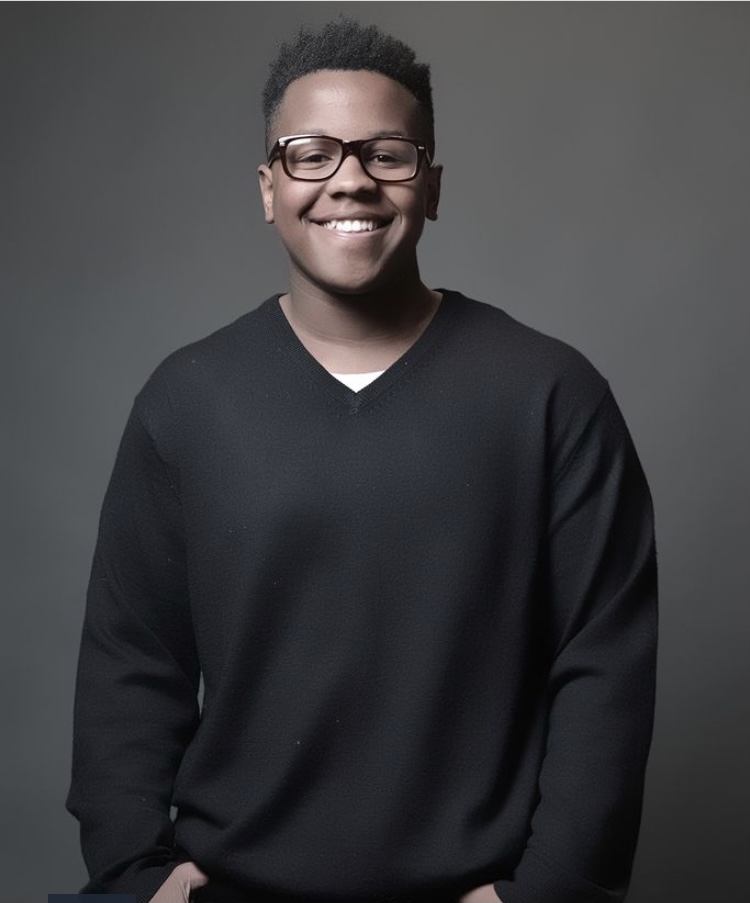
My son Jamal Clay died by suicide at 19 — two days after George Floyd’s murder — and he did not have to die. This post names the grief, the gaps in care, and the urgent need for community aftercare and access to mental health treatment.
Remembering Jamal
Jamal was a bright, kind and loved 19-year-old whose life ended in a way that still feels impossible to accept. The timing — just two days after George Floyd’s murder — compounded our shock and isolation, folding personal loss into a national moment of trauma. Jamal’s death is a reminder that grief and crisis do not happen in isolation; they intersect with social unrest, systemic neglect, and racialized stress.
Systemic barriers to care
Too many Black families face limited access to mental health providers and medication management, and this gap can be deadly. National data show that over 49,000 people died by suicide in 2023, underscoring how widespread the crisis is CDC. For Black Americans specifically, suicide was the third leading cause of death for ages 15 to 34 in 2023, highlighting the vulnerability of young people like Jamal Office of Minority Health (OMH). Black adults also receive mental health treatment through prescription medication at a lower rate than the total population — roughly 52% of the rate of the total population — pointing to disparities in access to ongoing care and medication management Office of Minority Health (OMH).
The missing aftercare and community support
When someone is suicidal or returns from hospitalization, families are often left to navigate aftercare alone. There is rarely a coordinated handoff: no follow-up appointments guaranteed, no community-based check-ins, and limited culturally competent supports. These gaps leave loved ones scrambling for resources while carrying the emotional labor of crisis management. Aftercare must be proactive, culturally informed, and sustained — not an optional add-on.
The scale of the problem in Black communities
Suicide rates among Black Americans have been rising in recent years; between 2011 and 2020 the rate increased from 5.5 to 7.7 per 100,000 Suicide Prevention Resource Center. Patterns differ from the broader population: rates peak during adolescence and young adulthood for Black communities, which makes the loss of young people like Jamal especially urgent to address Suicide Prevention Resource Center.
Watch and learn
There are powerful stories and resources that center Black families’ experiences with youth suicide. I invite you to watch the short documentary we produce entitled ‘While the Children Fade‘, which tells the stories of 3 black women who have lost children to suicide and explores the systemic forces at play. You can watch it on YouTube here: https://www.youtube.com/watch?v=uOuN2prgPZw YouTube.
What we need now
- Improved access to culturally competent mental health providers and medication management.
- Structured aftercare and community follow-up after crises or hospitalization.
- Investment in prevention programs that reach Black youth where they are — schools, churches, community centers.
- Open conversations about grief and mental health so families don’t suffer in silence.
My son Jamal’s life mattered. His death is a call to action: to demand better systems, to build stronger community nets, and to hold space for those left behind. If you or someone you know is struggling, please reach out to local resources and trusted people in your life or contact #988 for support.

 Goal Achieved, LLC
Leave a comment